
Senate Inquiry into Epilepsy in Australia
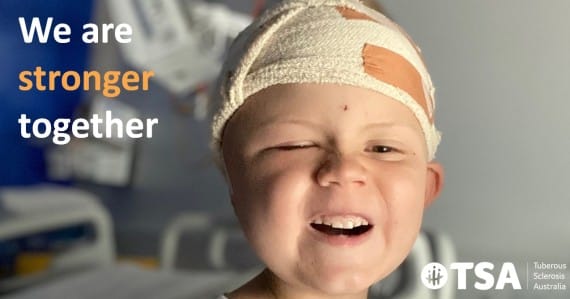
The Australian Senate’s Community Affairs References Committee has released its report into the experiences of people living with epilepsy and the challenges they face accessing diagnosis, treatment and support.
The inquiry received hundreds of submissions and heard from people living with epilepsy, families and carers, health professionals, researchers and community organisations. Thank you to everyone in our TSC Community who made a submission.
The report makes 27 recommendations aimed at improving epilepsy care and support across Australia.
Key recommendations include:
- developing a National Epilepsy Action Plan to provide a coordinated approach to epilepsy across Australia
- improving access to timely diagnosis and specialist epilepsy care, including for people living in rural and remote areas
- strengthening the epilepsy workforce, including specialist services and nursing
- improving access to genetic testing and supporting precision medicine approaches
- increasing investment in epilepsy research and improving national data collection
- establishing a national epilepsy registry
- improving community awareness and understanding of epilepsy, including awareness of SUDEP
- strengthening information, education, navigation and support for people and families following diagnosis
- addressing barriers to accessing disability and support services, including the NDIS
- improving access to appropriate care and support for people living with epilepsy outside metropolitan areas.
Why this matters for people living with TSC
Epilepsy is one of the more common manifestations of TSC. Seizures can begin early in life and may be difficult to control, often requiring ongoing specialist care and co-ordination across multiple health services.
Several of the recommendations in the Senate report are therefore particularly relevant to people living with TSC, including access to specialist epilepsy services, genetic testing, appropriate treatment, research, care coordination and disability support.
For people living with TSC, epilepsy care also needs to be considered within the broader context of a rare genetic condition that can affect multiple organs and aspects of health and development. Access to clinicians who understand both epilepsy and TSC, as well as coordinated care across specialties, is important.
TSA welcomes the focus on improving epilepsy care and support in Australia and will continue to monitor and advocate for the implementation of the report’s recommendations.
Read the Senate Committee’s report: Epilepsy in Australia